
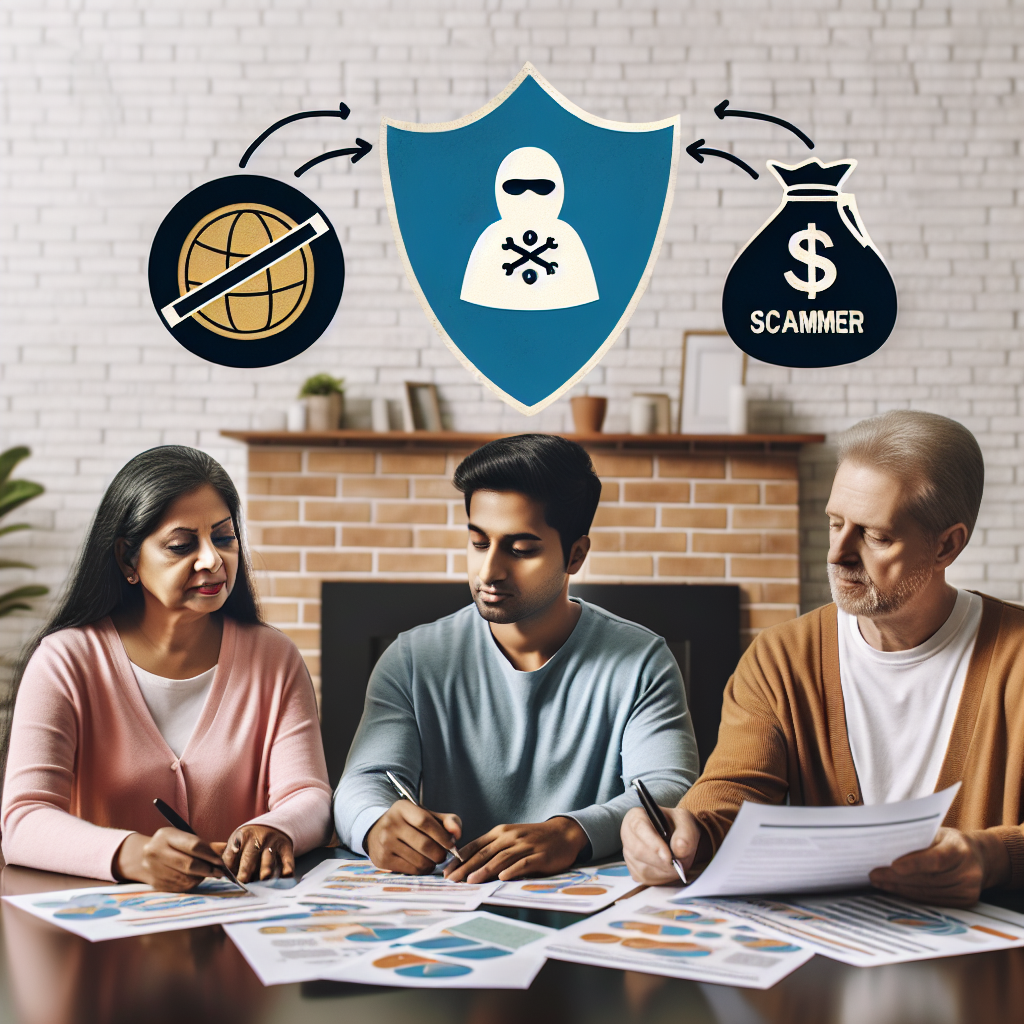
Steps to Protect Your Retirement Funds from Scams
Retirement should be a time for relaxation, exploration, and enjoying the fruits of your hard-earned savings. Unfortunately, it’s also a time when scammers often target retirees and their substantial retirement funds. With the increasing sophistication of these fraudsters and the growing number of cases involving retirement scams, it’s essential to take proactive steps to safeguard your nest egg. This comprehensive guide will discuss the critical steps you can take to protect your retirement funds from scams.
1. Educate Yourself About Common Scams
The first step in protecting your retirement funds is to be aware of common scams that target retirees. Here are a few prevalent ones:
- Phishing Scams: Fraudsters often pose as legitimate financial institutions to trick you into providing personal information like Social Security numbers, account details, or passwords.
- Ponzi Schemes: Promises of high returns with little risk should be a major red flag. Ponzi schemes use funds from new investors to pay off earlier investors, creating a cycle that inevitably collapses.
- Investment Fraud: Scammers may offer attractive investment opportunities that are too good to be true. These often result in the loss of your original investment.
- Fake IRS Calls: Scammers pose as IRS officials, demanding payments for back taxes you supposedly owe, threatening you with arrest if you don’t comply.
- Tech Support Scams: Fraudsters claim your computer is compromised and insist on remote access, allowing them to install malware or steal personal information.
Understanding these scams can make you more vigilant and less likely to fall into their traps.
2. Secure Your Personal Information
Securing your personal information is paramount. Scammers often commit identity theft by collecting your personal data, so it’s crucial to follow these guidelines:
- Use Strong Passwords: Ensure your passwords are strong, unique, and updated regularly. Avoid using easily guessable information like birthdays or names.
- Two-Factor Authentication: Enable two-factor authentication on financial accounts, adding an extra layer of security.
- Regular Monitoring: Check your credit reports, bank statements, and retirement accounts frequently. Look for any unusual activities.
- Shred Documents: Shred financial documents and anything that contains personal information before disposing of them.
- Secure Wi-Fi: Make sure your home Wi-Fi network is secure and avoid accessing financial information over public Wi-Fi networks.
3. Vet Financial Advisors
Having a trusted financial advisor can be invaluable, but it’s essential to ensure that they are legitimate and reputable:
- Verify Credentials: Verify their certifications and check if there are any complaints or disciplinary actions against them through regulatory bodies like the Financial Industry Regulatory Authority (FINRA).
- Get References: Ask for references and speak with other clients to gauge their satisfaction and experiences.
- Understand Fees: Make sure you understand how your advisor is compensated. Fee-only advisors, who are paid solely by clients, generally have fewer conflicts of interest.
4. Stay Skeptical of Unsolicited Offers
Be wary of unsolicited offers or deals that sound too good to be true. Whether it’s an unexpected phone call, email, or mail, always question their legitimacy:
- Verify the Source: Research the company or individual making the offer. Look for reviews, testimonials, and any red flags.
- Consult a Trusted Source: Discuss the offer with a trusted financial advisor, family member, or friend before making any decisions.
- Avoid High-Pressure Tactics: Legitimate businesses do not use high-pressure sales tactics. If you feel rushed, it’s likely a scam.
5. Use Fraud Protection Services
Consider subscribing to fraud protection services. These services monitor your financial accounts and alert you to any suspicious activity:
- Credit Monitoring: Services like Experian, Equifax, or TransUnion can alert you to changes in your credit report.
- Fraud Alerts: Place fraud alerts on your credit reports to warn creditors that you may be a victim of identity theft.
- Account Monitoring: Many banks and credit unions offer account monitoring services that notify you of unusual transactions.
6. Know the Red Flags
Recognize the red flags associated with retirement scams to act swiftly:
- Unsolicited Requests for Personal Information: Be cautious if someone asks for personal details without a legitimate reason.
- Promises of High Returns with Low Risk: Investment opportunities that promise unusually high returns should be scrutinized.
- Urgency and Pressure Tactics: If an offer is time-sensitive and pressures you to act quickly, it’s likely a scam.
7. Report Suspected Scams
Finally, if you suspect you’ve encountered a scam, report it immediately:
- Contact Your Financial Institution: Inform your bank or financial advisor of any suspicious activity.
- Report to Authorities: File a complaint with the Federal Trade Commission (FTC) or your local law enforcement agency.
- Notify Credit Bureaus: Alert credit bureaus to place fraud alerts on your credit reports.
Protecting your retirement funds requires vigilance, education, and proactive measures. By understanding common scams, securing your personal information, and using available protections, you can safeguard your financial future. Always remain skeptical of unsolicited offers, and don’t hesitate to seek professional advice when in doubt. Your peace of mind during retirement is worth the effort.